Made For You

Tailored sizes, shapes, colors, and patterns made for your space.
Choose soft, durable materials that bring warmth and comfort home.
Our specialists guide every detail, from first sketch to final fitting.

In-House Production

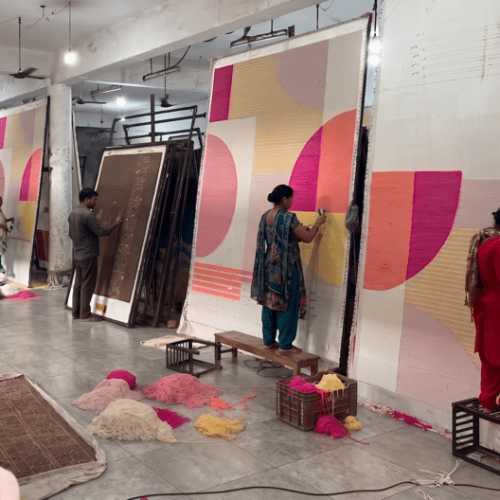
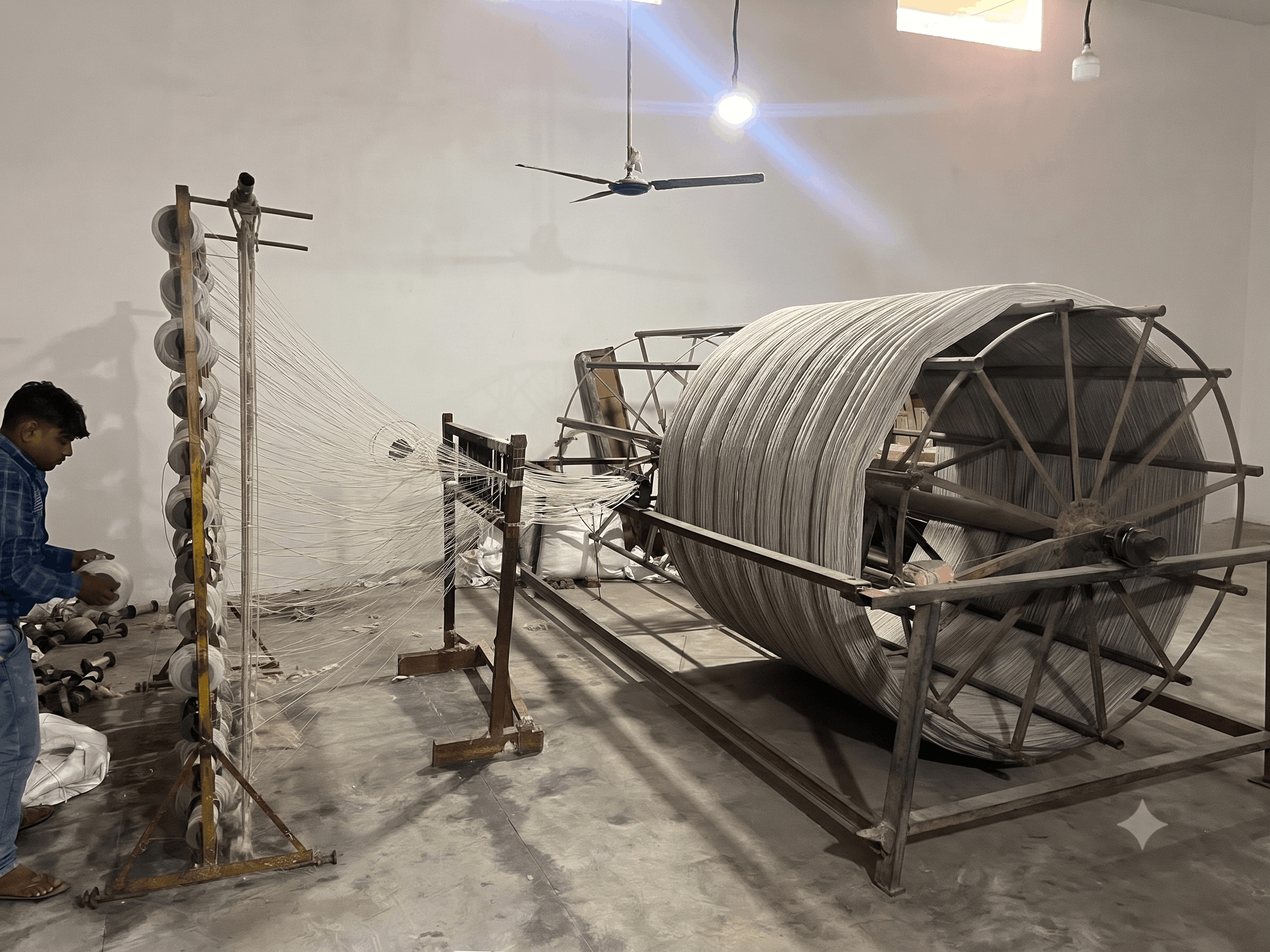
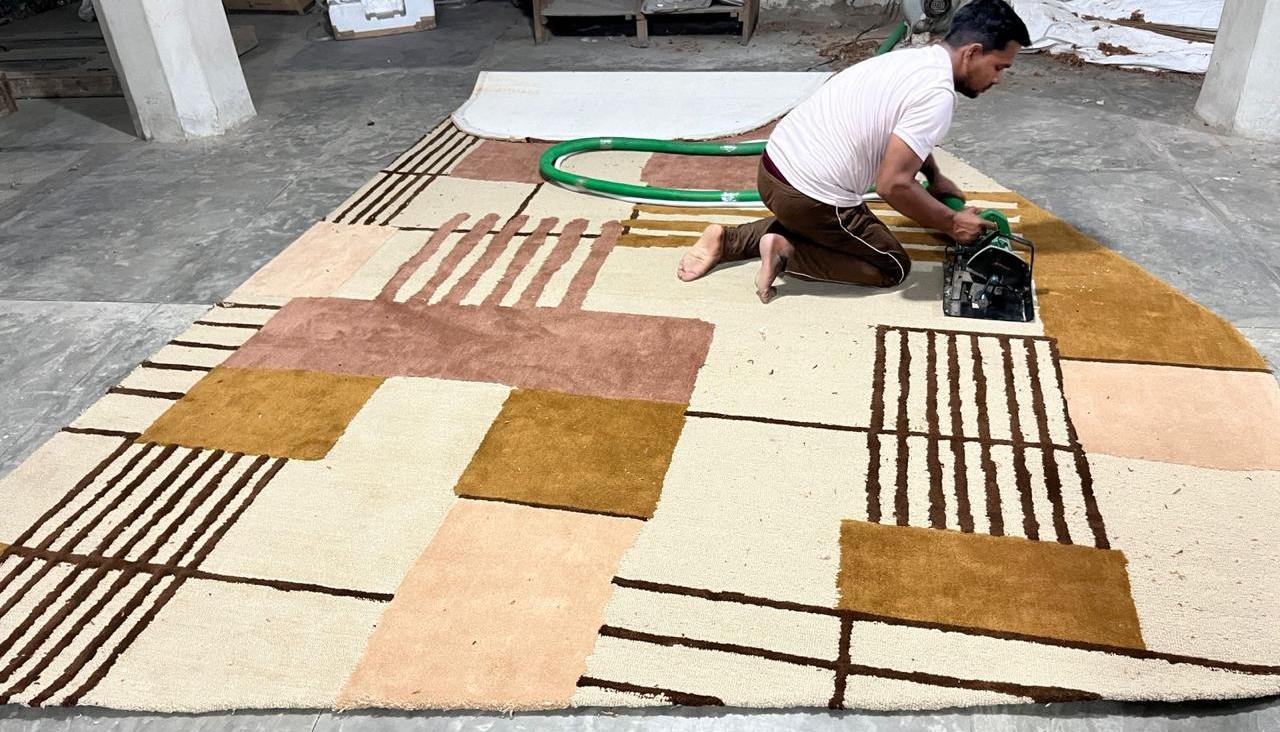
We have complete in house production. In our workshops we have separate departments for different weaving technique, a dying plant to allow our customer to choose from a variety color combination, then we have a separate department for the latexing (if any) and finishing of the product.

Rug-Carpet-Manufacturing-Unit
1. Dyeing :
Different kind of yarn are dyed like Woolen, Cotton, Polyester & Nylon etc. We believe in quality dyeing and we get the rugs made out of the materials, which are best in every respective manner.

2. Weaving Units :
We have manufacturing unit of handmade area rugs and carpets including hand-tufted, hand-loomed and handwoven, in Panipat.

3. Finishing & Packing :
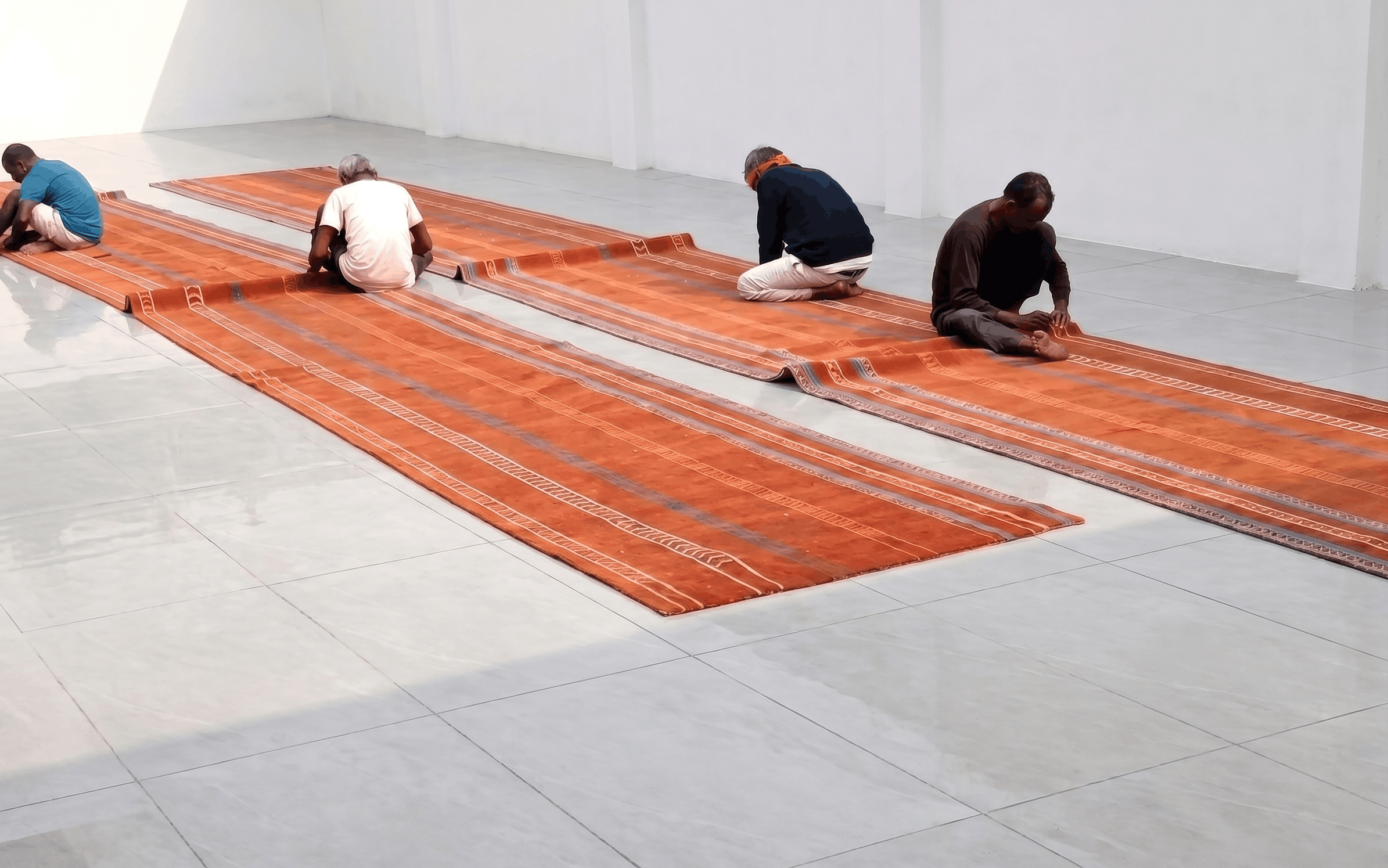
Our area Rugs are finished, in-house, as this is the final stage, and we do not wish to take any kind of risks, in any manner.

4. Export :
We export handmade area rugs worldwide. So it’s not the matter where you are from, we can deliver handmade area rugs, made in India, at your doorsteps, if you wish so.

Customized Rugs/Carpets
The weaver was considered untouchable in the India of the past. A definition that was misinterpreted, truly fitting only to their skill. A range of weaving techniques are used to create different types of rugs and the technique can determine the quality, design, price and even their durability.

  • Hand-Knotted
  • Hand-Tufted
  • Hand-Loom
  • Flat Weave

Hand-Knotted

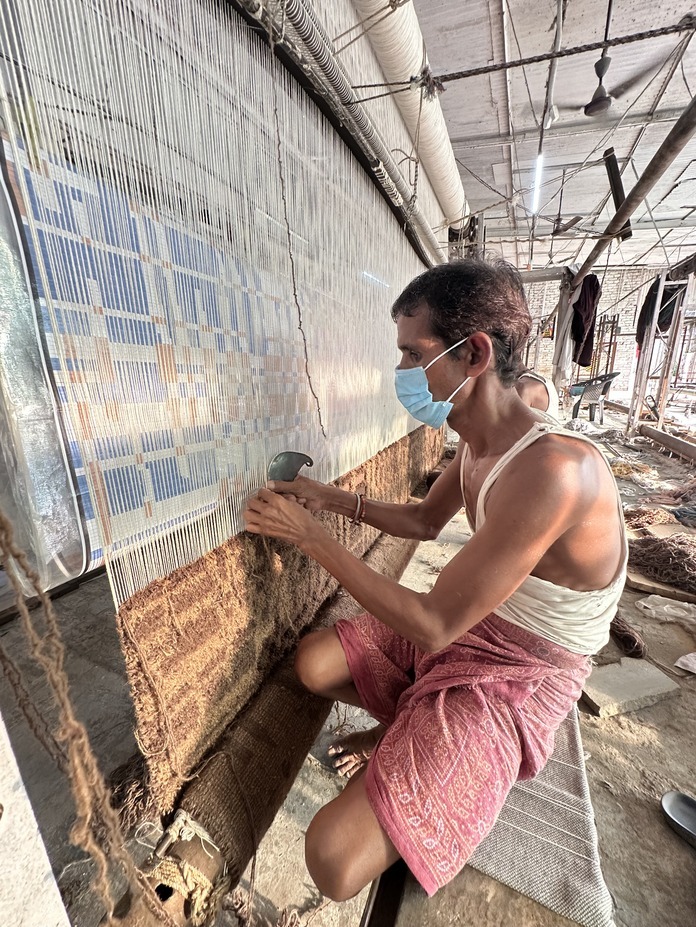
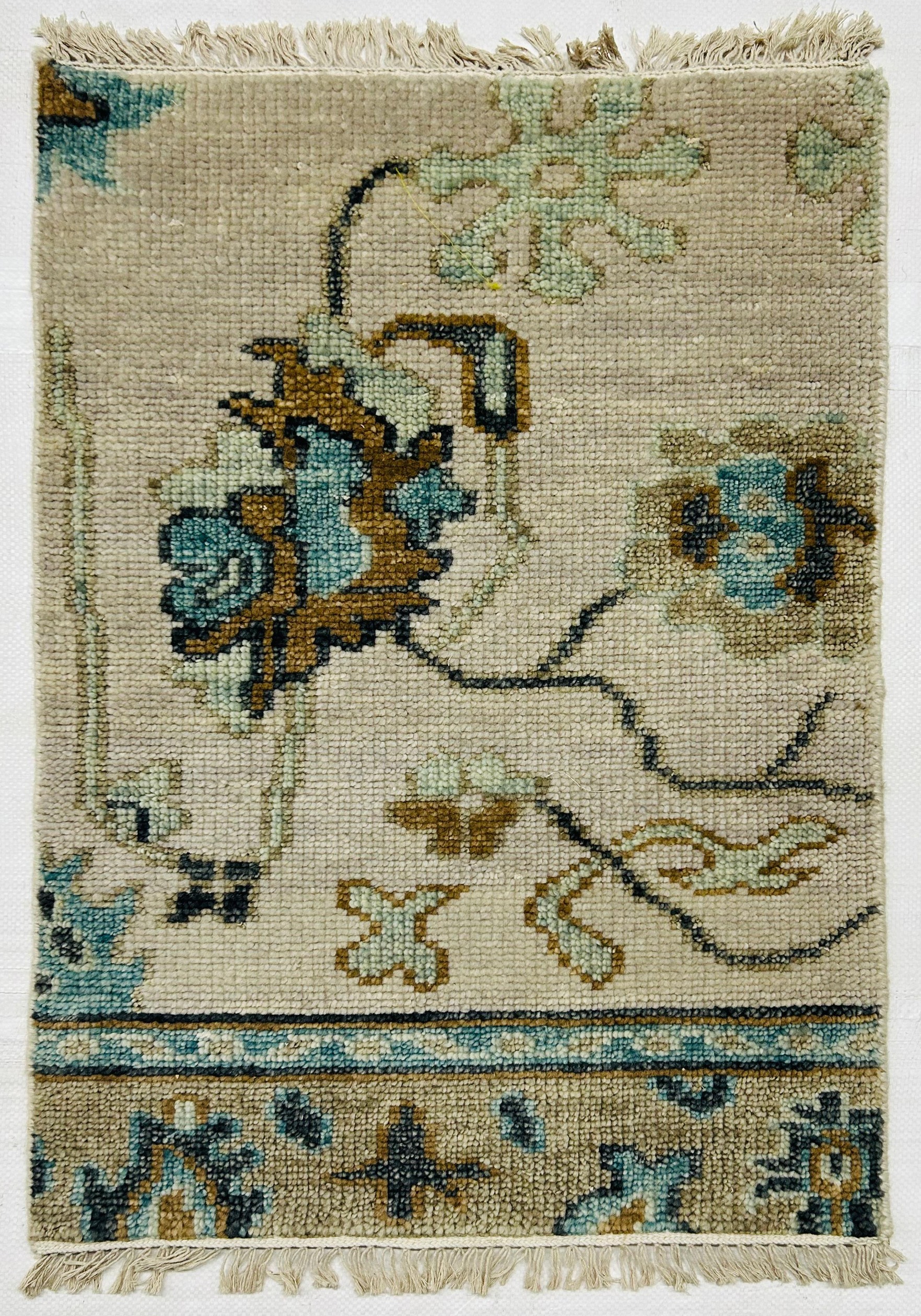
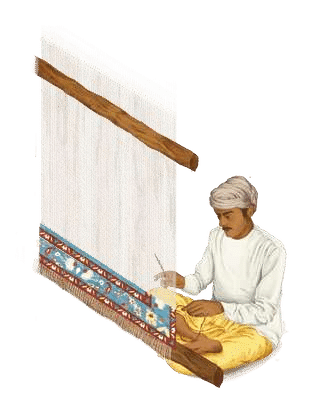
Inspired by Persian weaving traditions, Indian hand-knotting is a highly detailed craft where each knot is tied individually by skilled artisans. Depending on the carpet’s size and quality, the process can take 2 months to nearly a year.

The Weaving Process

Artisans tie individual knots row by row on a loom, securing each completed row with weft threads before moving to the next. Traditionally, designs and colours were memorized through Boli weaving, where artisans called out colour patterns. Today, design maps guide artisans, with each charted pixel representing an individual knot.

Hand-Tufted

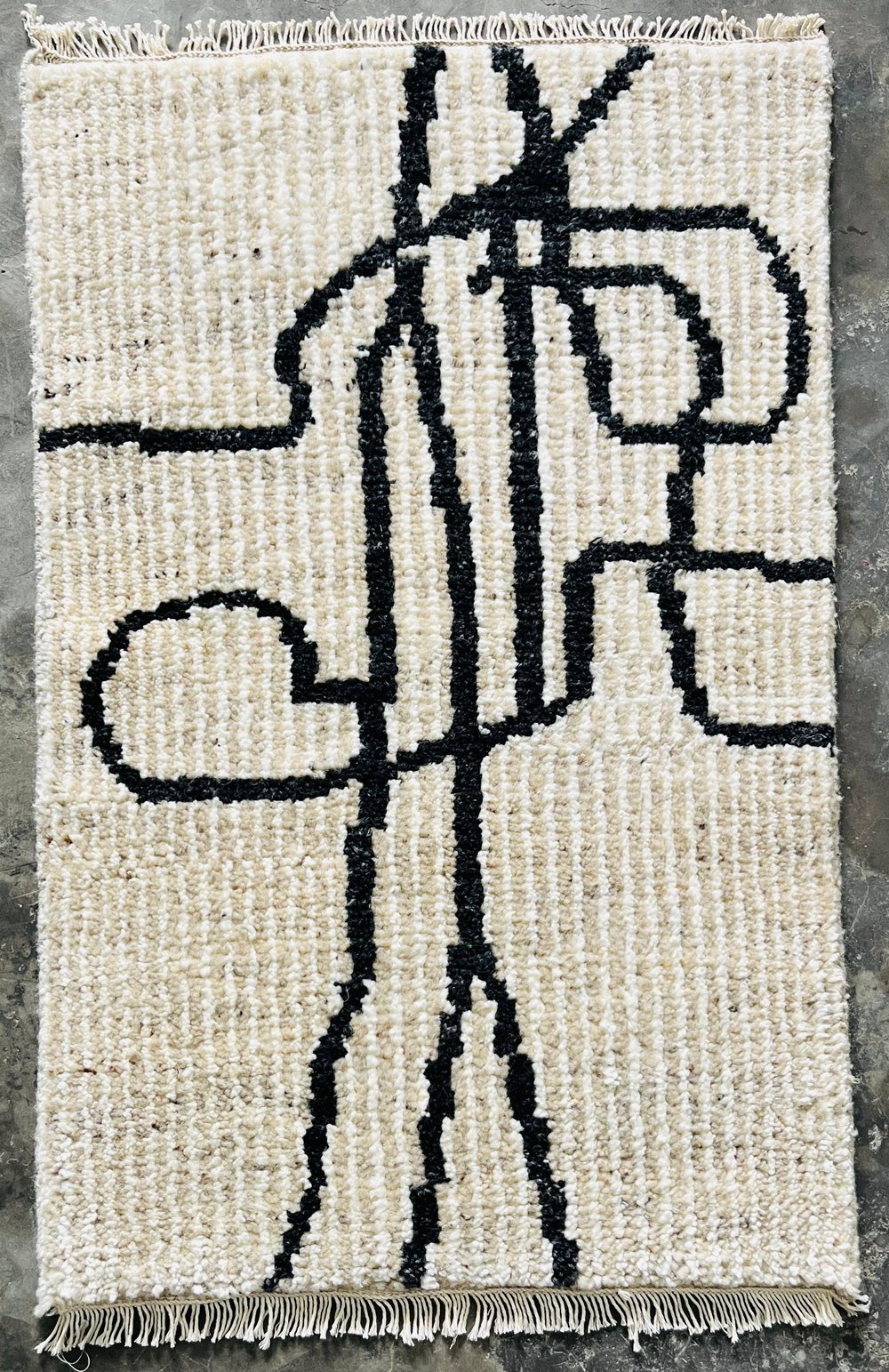
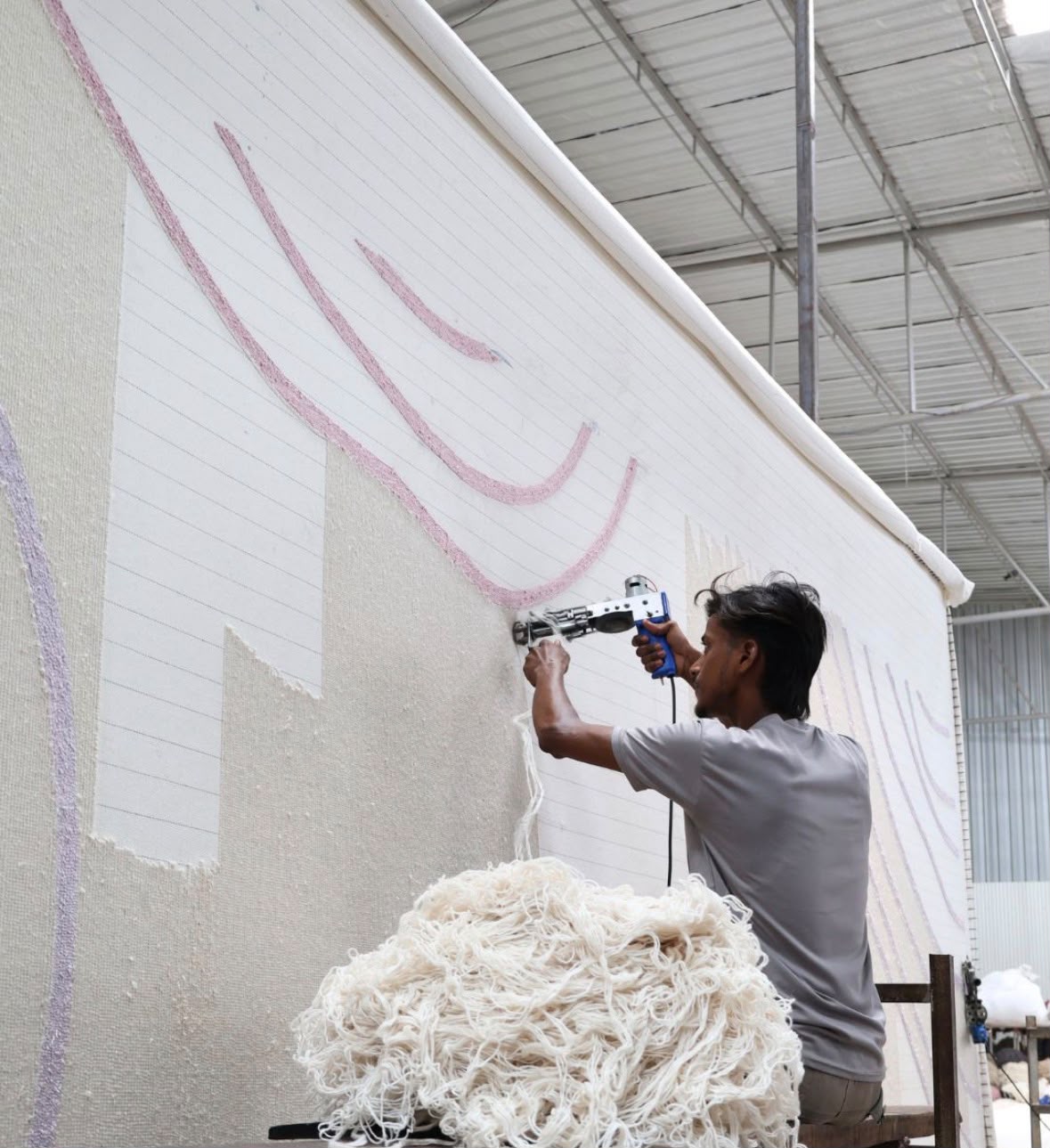
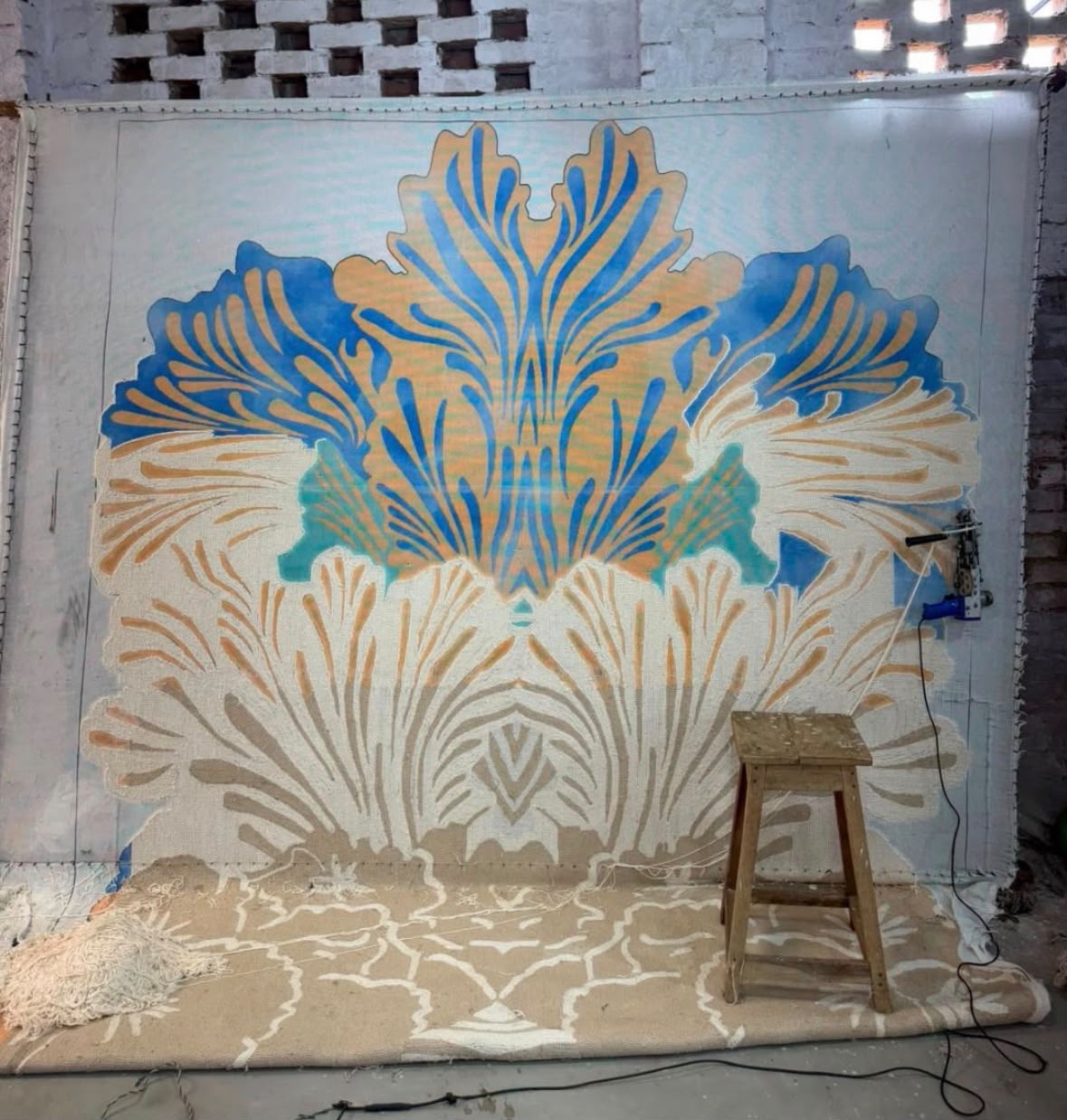
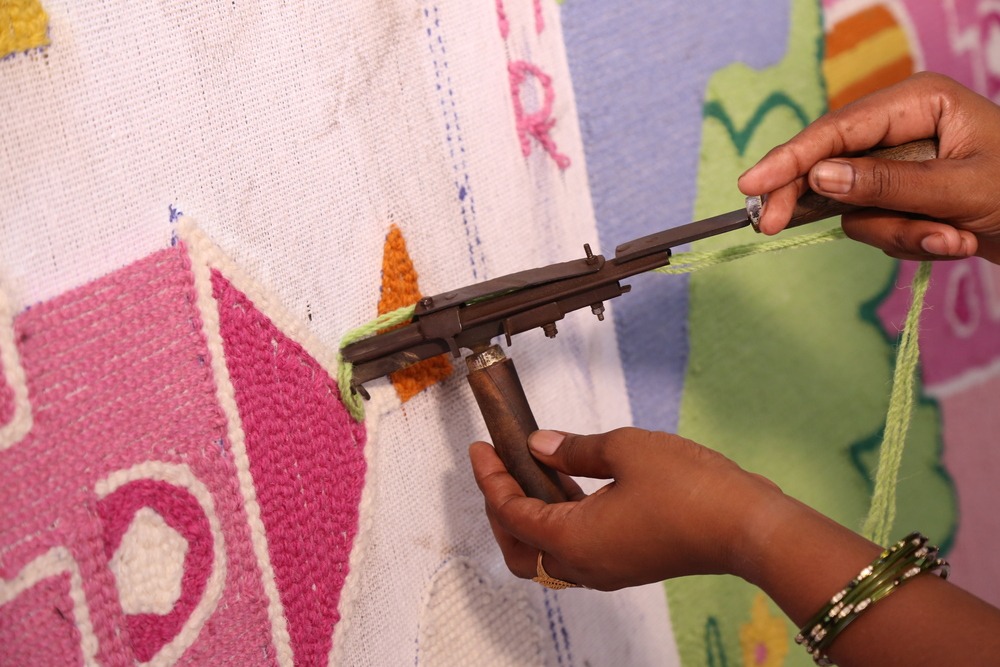
Using a tufting gun, an artisan tufts yarn into a fabric that is outlined with a design. The outline guides the artisan to know which colors go where, to create the rug’s final design.

Hand-Tufted- The Weaving Process

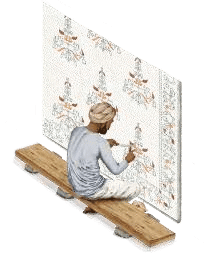
An artisan first places a backing fabric on an iron frame and the desired pattern is traced on it. The artisan then uses a contraption, to push the intended yarn into the fabric, a process called tufting. The tufting gun hooks and pulls yarn through the backing to form loops or piles into the outlined areas. Once the carpet is completed and up to grade, a canvas backing is bonded to the rug. This protects the tufted yarn from shedding and gives a distinctly different look to the rug.

ht3_30

Hand-Loom

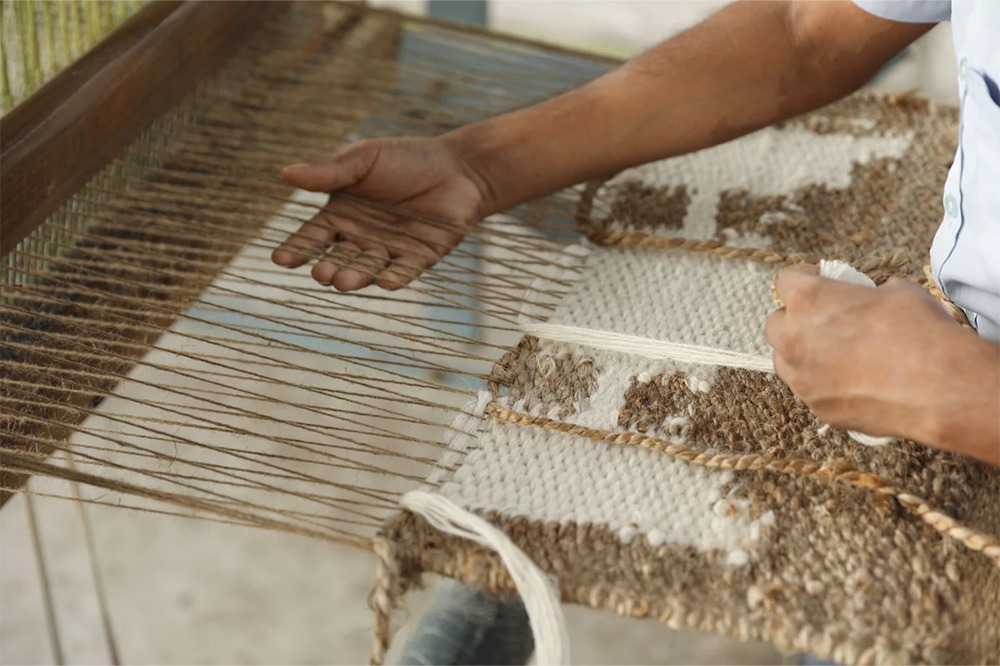
This form of weaving is very similar to textile weaving on a handloom. The warp and weft is much thicker to create a thick fabric, the rug’s yarn is passed through in between the interlocking.

Hand-Loom- The Weaving Process

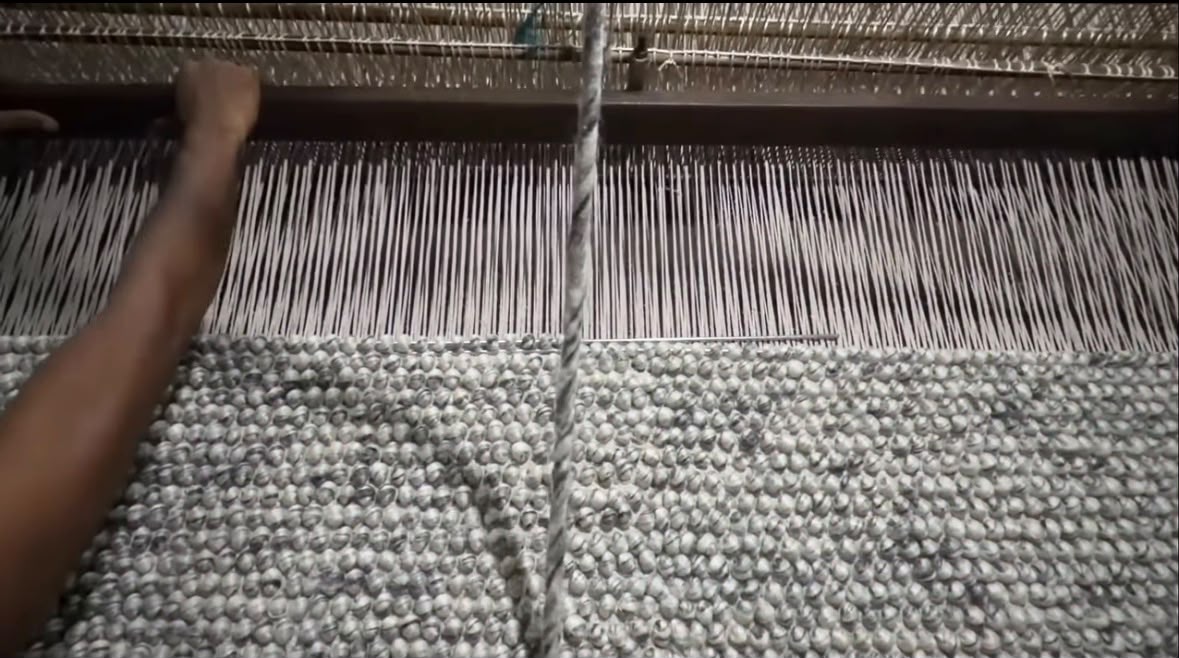
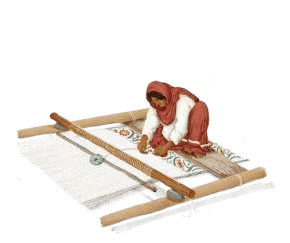
Very similar to handloom textile, a carpet is woven on a loom. The loom holds the warp (the vertical threads) in place and allows the interweaving of the weft (horizontal threads). A shuttle is moved across with a pedal to interlock each line.

This method is easiest for monotone rugs and gives a printed finish to the carpet. If the carpet has to be designed with multiple colors, the color of yarn needs to be changed at the right place to help create the final design. Handloom rugs are crafted with a loop pile and is then cut to make a cut pile.

Flat-Weave

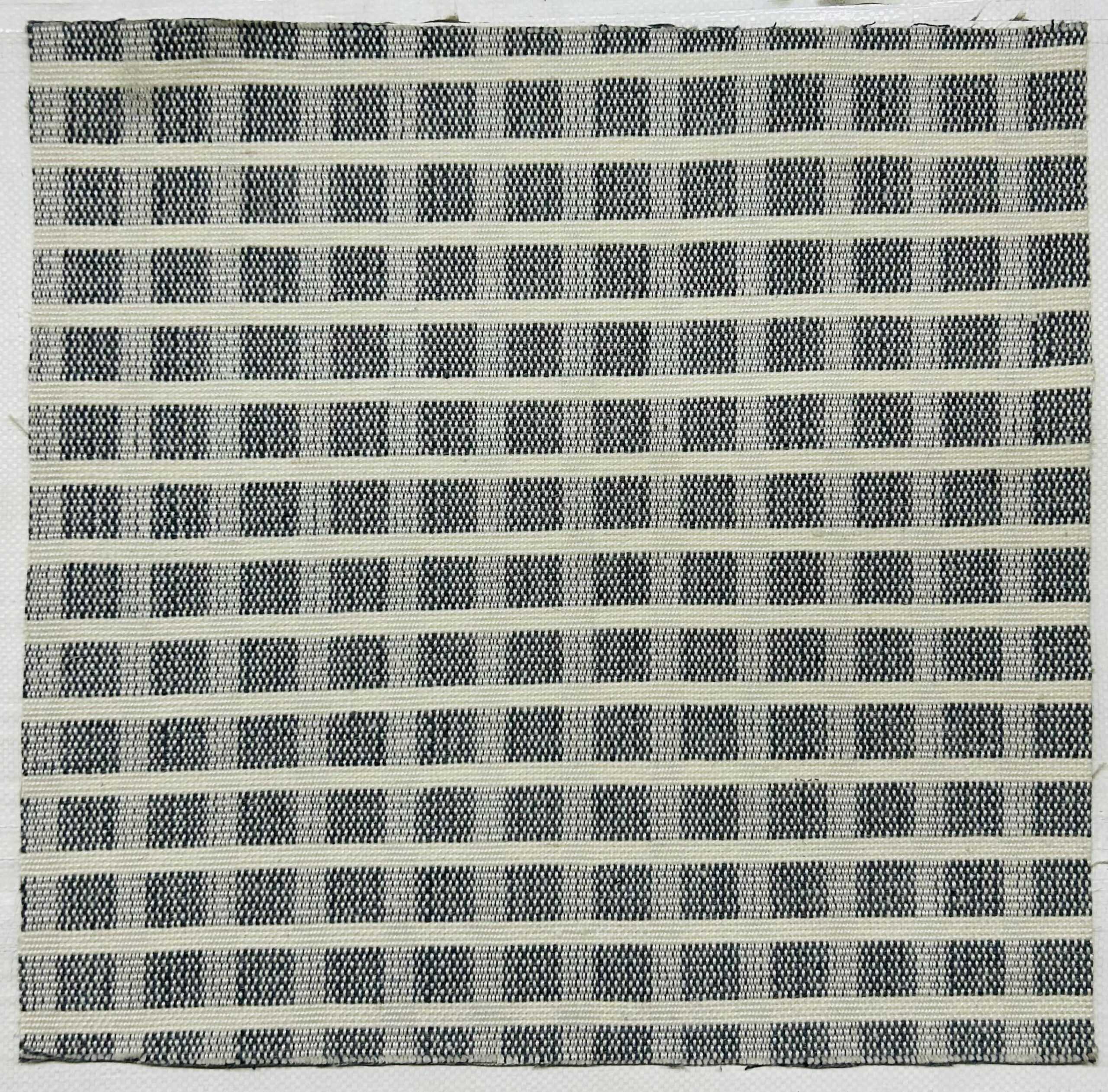
A flat weave is made entirely of interlocking warp and weft threads, the colors is based on the thread and the design is based on the different styles of interlocking.

Flat-Weave- The Weaving Process

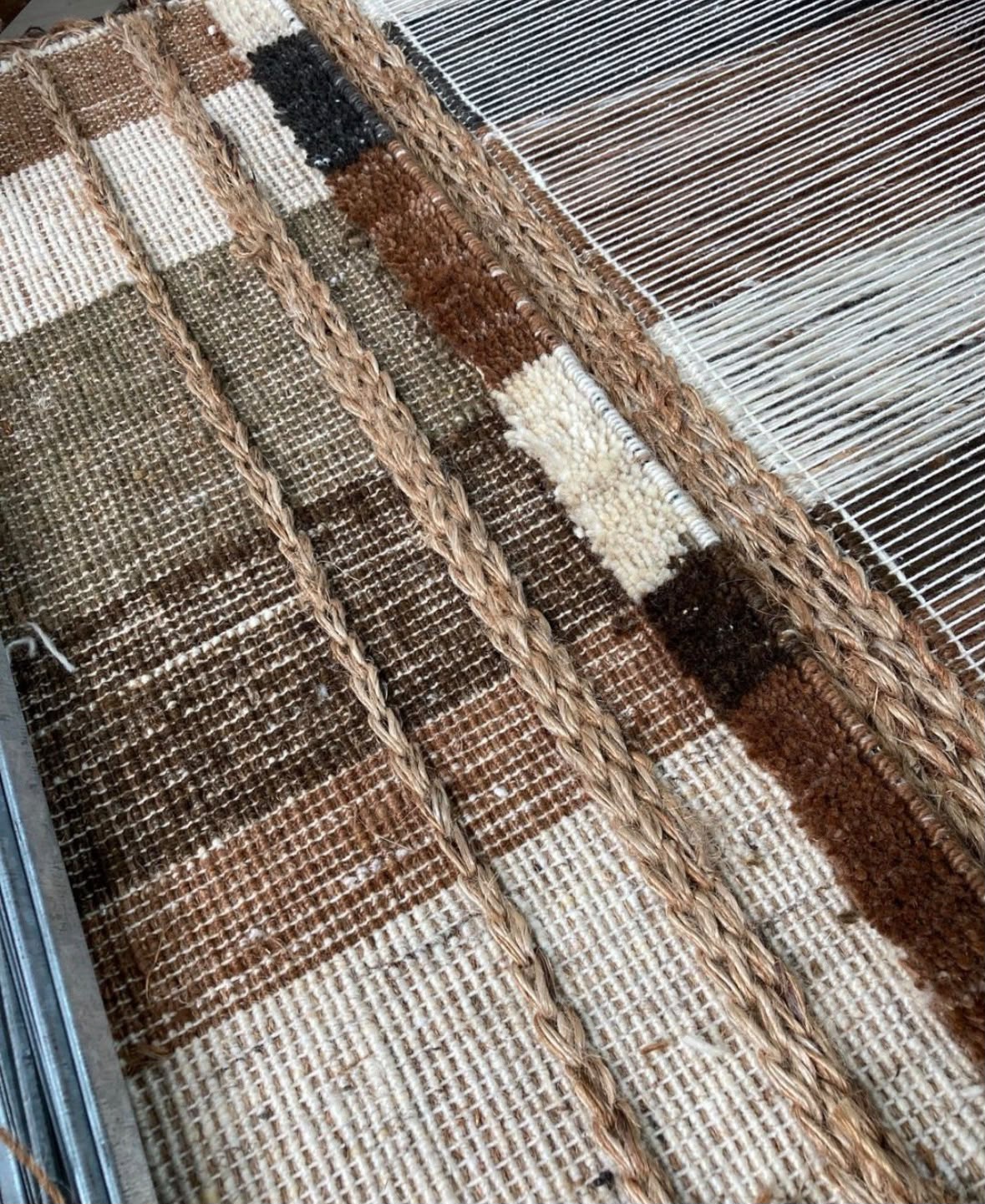
In essence, a flat weave is a thick cloth made of cotton or wool. A Durries is a flat weave from India, while a Kilim is from Persia.
These rugs are woven by interlocking warp and weft threads, similar to making textile. They are mobile, versatile, durable and
cost-friendly which gave way to a large range of weaving patterns, designs and colors.
The rug has no pile and is only a display of the interlocking, and creative methods can be used to give a patterned look to the rug.
This is either done by using different sizes of threads, changing the colors of threads or using unique styles of interlocking.

Looking for customized carpets or other textile products?

Beauty & Comfort